Dark spots: what works in the treatment room and what to do at home
Why spots appear, which treatments at the centre really work on them, and the three-step routine that keeps the result. No promises of erasing them in a week.
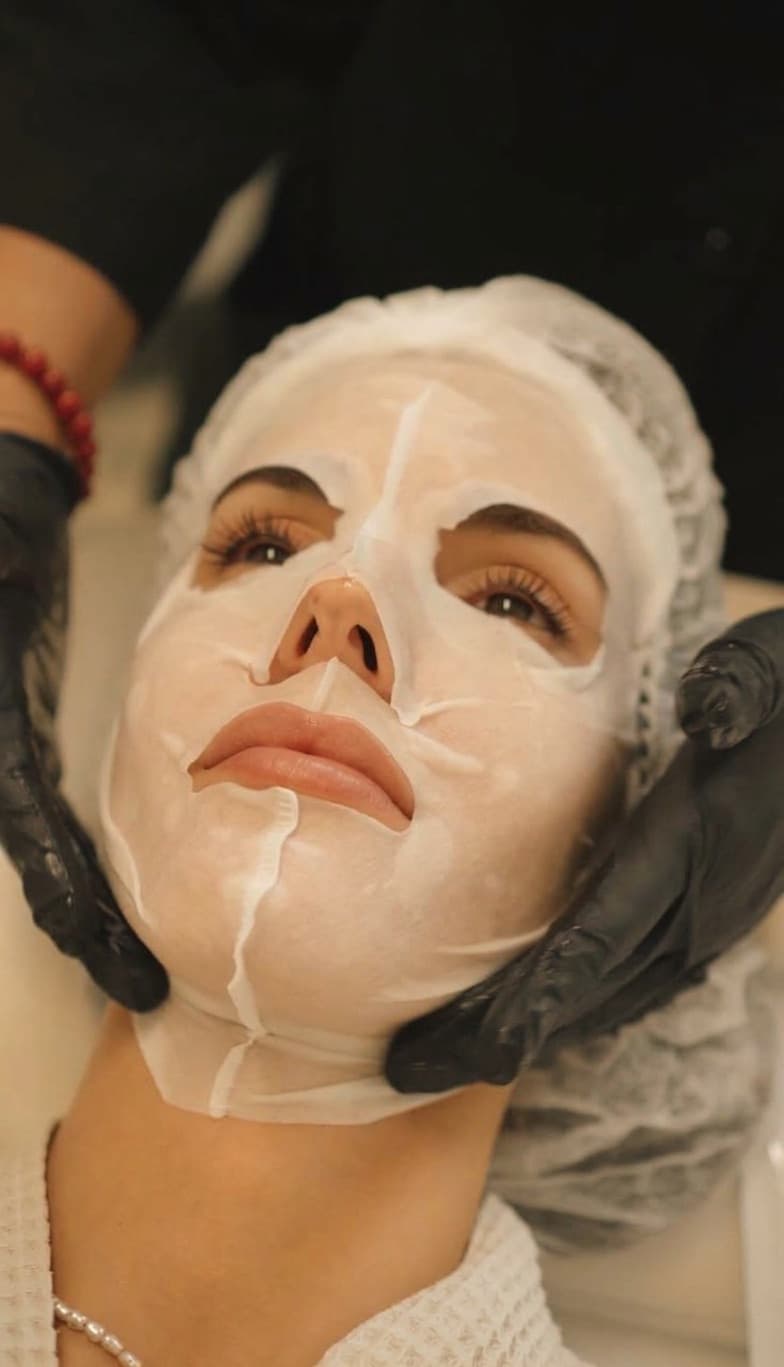
Dark spots are the most frequent consultation at the centre after summer, and the most frustrating one: they show a lot, they take time to fade and they come back if you let your guard down. This guide explains what they are, what we can do in the treatment room and what's up to you at home. It's the same conversation we have in the first consultation, written down.
What a spot is and why it doesn't go away on its own
A spot is melanin accumulated in one place. The skin makes it to defend itself (from sun, from inflammation, from a hormonal change) and, once deposited, it takes weeks to rise to the surface and shed. That's why an isolated treatment doesn't erase it: you have to slow production, speed up renewal and stop the sun from switching it back on. All three at once.
There are three types we see daily:
- Solar lentigines: small, well defined, on cheekbones, forehead and hands. They come from accumulated sun and respond well to peels and laser.
- Melasma: more diffuse, symmetrical patches, often on the upper lip, forehead and cheeks. It has a hormonal component and is the most stubborn: here the priority is not to aggress the skin, because heat and inflammation make it worse.
- Post-inflammatory marks: what's left after a breakout or an irritation. These have the best outlook when treated early.
If you don't know which one is yours, don't guess. Under the diagnostic light it takes a minute to tell, and the treatment changes with the type.
What we do in the treatment room
At the centre we work on spots within the peels and renewal category, with protocols combined according to the type of spot and the skin's tolerance:
- Chemical peels at professional strength. Controlled renewal of the surface layer so accumulated melanin sheds sooner. In series of four to six sessions, two to three weeks apart.
- Dermapen (microneedling) with depigmenting actives. Microchannels carry the product where it has to act and stimulate renewal. Very useful for post-inflammatory marks and texture.
- In-cabin protocols with depigmenting skincare (Biologique Recherche, DMK, iS Clinical), which prepare the skin and maintain between sessions.
- Laser, reserved for well-defined lentigines and always outside the sun season.
What we don't do: promise they vanish in one session. With consistency most clients see a clear improvement between the second and fourth session, and the final result arrives at three months. Melasma is managed more than cured, and saying so from the start avoids disappointment.
What you do at home
This is eighty per cent of the result. Three steps, no complications:
Morning: antioxidant and sunscreen. A vitamin C serum helps slow the oxidation that darkens the spot, and factor 50 sunscreen is non-negotiable: without it, everything else is money thrown away. Two finger-lengths of product for face and neck, every day, in winter too and at the office too.
Night: renewal. A depigmenting product with actives such as niacinamide, azelaic or tranexamic acid, or retinol on skin that tolerates it. Start two nights a week. If you have melasma, avoid anything that heats or irritates the skin: no physical scrubs, no strong acids on your own.
Always: patience. A spot that took years to form doesn't go in a fortnight. Take a photo in the same light every month; it's the only honest way to see the change.
Mistakes we see every week
- Using retinol or acids and skipping sunscreen "because it's cloudy".
- Scrubbing with grains to "remove" the spot. It only inflames it.
- Changing product every three weeks. Depigmenting actives need eight to twelve.
- Starting peels in June. The good season runs from October to April.
Where to start
If you've just noticed new spots, come to the free first consultation: in ten minutes we know what type they are and what plan makes sense. If you'd rather start at home, the skin test suggests a three-step routine with the products we use in the treatment room. And for any question about a specific product, every shop page lets you ask us directly.
This guide was written by the Jade Esthétique aesthetician team from what we see at the centre. It doesn't replace a consultation: spots that change shape or colour should always be seen by a dermatologist.
Want to book a consultation?
Book now